Fire alarm system installation is an important measure to take to ensure safety, both for people and property, because it sends in a warning early in the case of a fire starting. An appropriately installed system can help make homes, offices, schools and buildings safer. This blog will highlight the installation process, the major components to involvement, useful features, and essential do’s and don’ts to ensure you understand fire alarm systems.
A fire alarm system is a system used to notify people of the presence of a possible fire. If you don’t have an alarm system, someone could be injured or unharmed before becoming aware of the threat. Many businesses and public buildings are required to have fire alarm systems. Even home owners opt to install them as they provide an additional layer of security. A good installation can save lives, minimize damage and assist response efforts.
Fire alarm system installation is a process that consists of multiple parts. These components consist of smoke detectors, heat detectors, alarms, sirens, control panels, and notification devices. Planning is the beginning step. The installer consults the building design and determines designs where to install the various devices. The aim of the test is to ensure that all areas have protection and that any alarms are audible throughout the building. Once planning is complete, the equipment is set up and linked to. The system is then tested to ensure that it is working properly.
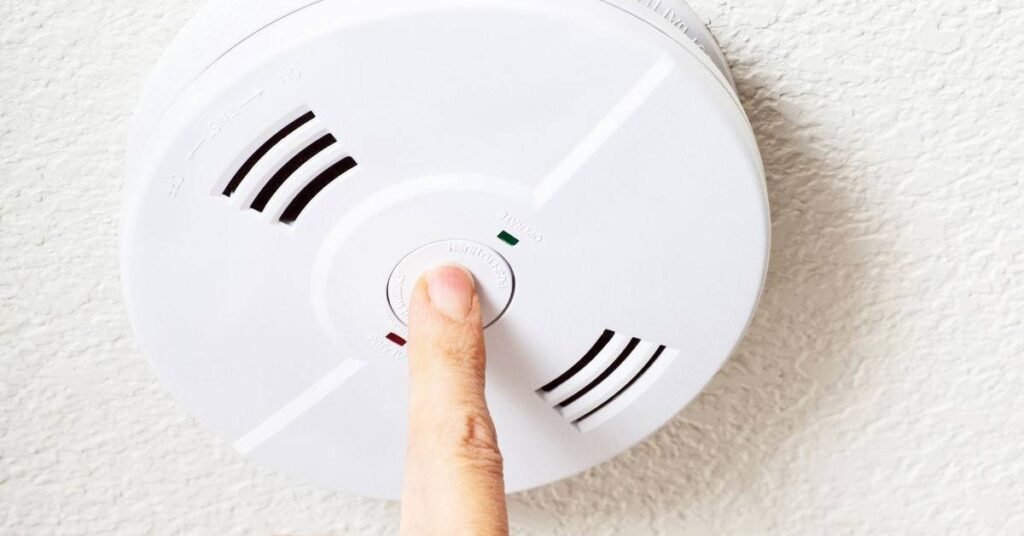
A fire alarm system consists of various elements including alarms, detection units, and notification types that are designed to detect danger and send alerts.
All of them have a significant contribution to the safety of the building.
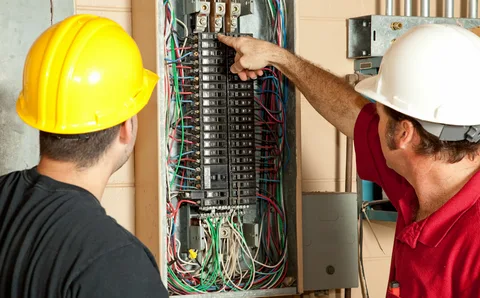
One of the most critical components in the project is the fire alarm control panel installation. The brain of the system is the control panel. Carries out signaling and triggers alarms if required. The control panel is typically located in an easily-accessed area. It should be easily accessible for building managers and emergency personnel with quick access. The entire system relies on the control panel, so it’s important to use the proper wiring and setting. All devices are connected by a professional installer, who carefully tests all connections. This helps in making sure that it will continue to function during an emergency.
Detector and alarm locations can have an impact on system performance. Usually smoke detectors are mounted on the ceiling, as smoke rises. In areas that smoke detectors might not perform well, heat detectors are commonly installed, like mechanical rooms or kitchens. Alarms and speakers should be located in areas that allow for easy communication. For large buildings, several devices might be needed to ensure that alerts are delivered to all rooms. With respect to the placement, it will be better to receive warning signals quickly and all will be detected in time.
Homes and buildings have a variety of types of fire alarm systems. All have different modes of operation, but are designed to alarm people in a timely manner when a fire is detected. Commonly used systems are conventional, addressable and wireless. Traditional systems classify a building into various zones and if there is an issue, it is simple to recognize what area is impacted.
Addressable systems are more sophisticated and can indicate the exact device that is being triggered. Wireless systems don’t require wires, making them easier to install in certain areas. Depending on the size of the building, budget and safety requirements each system is selected.
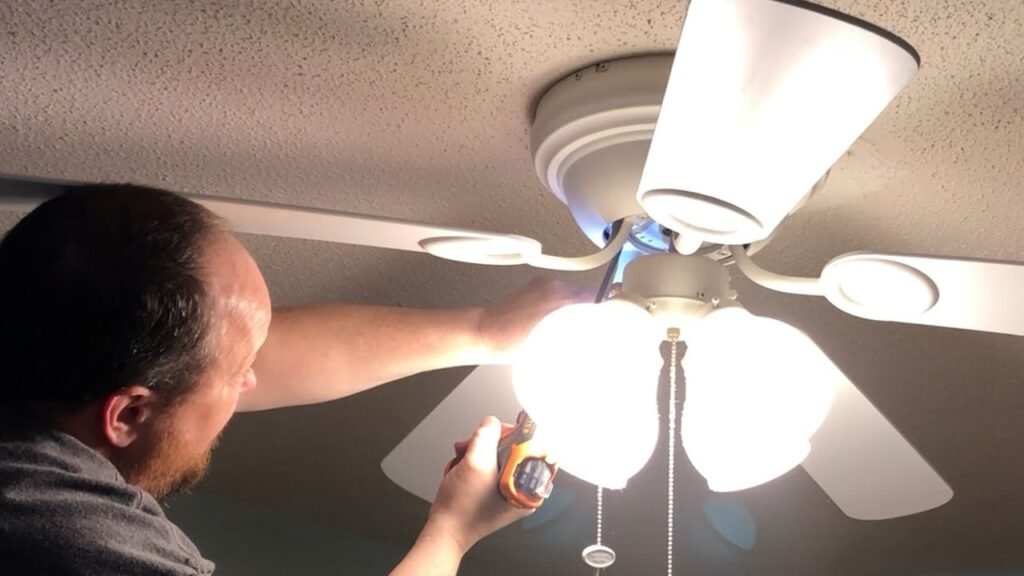
The installation process has some critical steps. These steps contribute to the proper functioning and security of this system. The first step is the inspection of the building. The professional installer then plans the project’s layout. Once this is done, wires and devices are put in place. All components are connected to the control panel, as well as tested throughout. After testing, simple training is offered to users in operating the system. It is also recommended for regular inspections following installation.
There are so many benefits of installing the system professionally. Technicians are knowledgeable on fire safety codes and know where to install the devices. A professionally installed system will be more reliable and less likely to cause issues. It is also tested extensively before it is made operational by installers. By recruiting trained professionals, time will be avoided and costly mistakes will be prevented. It provides a safety net to building owners in the form of peace that the system was installed properly.
Some folks do not bother to do the job correctly and take shortcuts when they install. This may pose risks later on in life. The most frequent pitfalls are the low number of detectors, inappropriate detector placement, the combination of unsuitable detector equipment and location, and not testing the system. Not following regular maintenance after installation is another error. By avoiding these mistakes, the fire alarm system can count on reliability during a time of emergency.
Installing a fire alarm is one of the best investments for safety. These systems can give predictable warning for potential life saving and reduce property damage. Careful and proper installation of fire alarm systems must always be ensured. Another important aspect is also the fire alarm control panel which is in charge of the entire fire alarm system.
Care and attention can be taken to achieve reliable operation for many years with a fire alarm system under satisfactory conditions provided the system is properly installed, tested, and maintained. One of the important steps in ensuring safety should be a fire alarm system.
If you need help with fire alarm system installation, contact 24 Local Electrician today. Our team is ready to provide safe and professional electrical services for your home or business.

Local Electrician in Orlando providing fast, reliable electrical repairs, installations, upgrades, and emergency services for homes and businesses.